
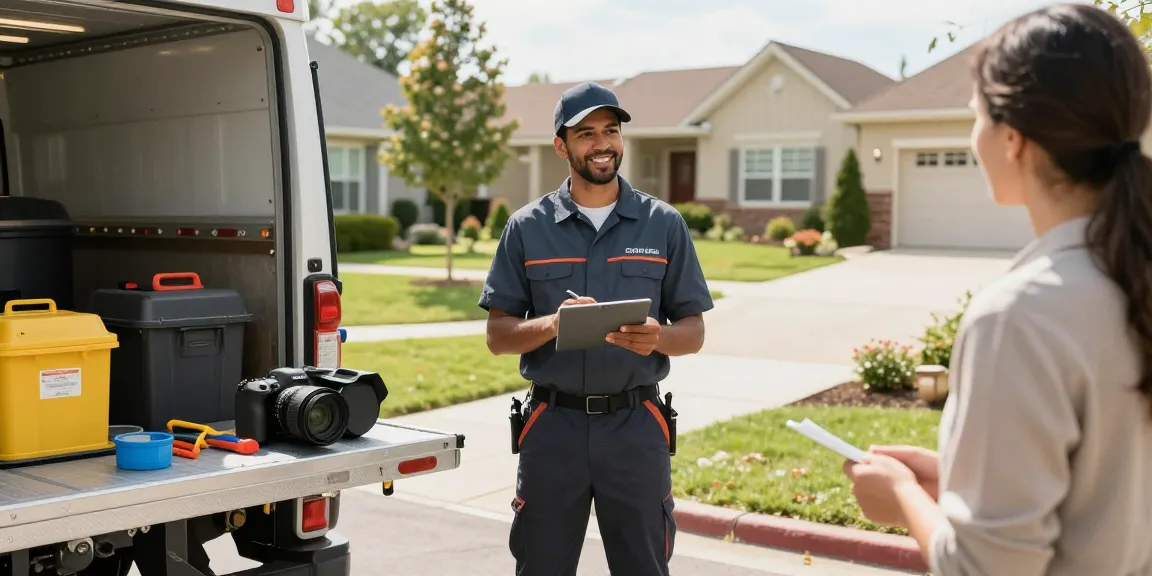
Understanding Septic Cleaning Services
Septic systems are vital to many homes and businesses, particularly in areas not serviced by public sewer systems. As a homeowner or property manager, understanding the importance of septic cleaning services can enhance the longevity of your system, prevent potential disasters, and save you considerable costs in the long run. This article aims to provide comprehensive insights into septic cleaning services, helping you make informed decisions when it comes to your septic needs.
What is Septic Cleaning and Why is it Important?
Septic cleaning involves the removal of sludge and scum from the septic tank, ensuring that it operates efficiently. Regular cleaning is not just a matter of convenience; it’s essential for several reasons:
- System Performance: Cleaning prevents the buildup of waste, ensuring the septic system functions properly.
- Preventing Backups: Regular maintenance helps avoid the costly and unsanitary problem of sewage backups, which can lead to health hazards.
- Extending System Life: Proper septic maintenance can prolong the life of your system, saving you from expensive replacements.
Common Services Offered by Local Providers
Local septic service providers typically offer a range of services to maintain and repair your septic system, including:
- Septic Tank Pumping: This is the core service, where the tank is emptied, and waste is properly disposed of.
- Inspections: Regular inspections can identify issues early, allowing for preventative maintenance.
- Drainfield Repair: If the drainfield becomes saturated or clogged, repairs may be necessary.
- Emergency Services: Many companies offer 24/7 emergency services for septic system failures.
Benefits of Regular Maintenance for Homeowners
Investing in regular septic cleaning and maintenance can lead to numerous benefits for homeowners:
- Health Assurance: A well-maintained septic system reduces the risk of harmful pathogens contaminating groundwater or nearby surfaces.
- Cost Savings: Detected problems can be addressed at an early stage, reducing expensive emergency repairs or full system replacements.
- Increased Property Value: A functioning septic system is a vital aspect that potential buyers consider when purchasing a property.
Choosing the Right Local Septic Service Provider
Finding a reliable septic service provider is crucial for effective maintenance and repair. Here are some key points to consider:
Key Qualifications to Look For: Licensing and Certification
Verify that your chosen provider holds the necessary licenses and permits to operate within your area. Each state or local jurisdiction might have specific requirements, including certifications for safe waste disposal and environment-friendly practices.
Professionals should be licensed, bonded, and insured, ensuring that they meet industry standards and provide a guarantee for their workmanship.
Customer Reviews: Trust Signals from the Community
Researching customer reviews can provide insight into the provider’s reliability and quality of service. Look for testimonials that highlight timely responses, quality work, and customer satisfaction. Websites like Yelp or Angi can be valuable resources for finding reputable local services.
Comparing Costs: What Should You Expect?
Pricing for septic cleaning and maintenance can vary significantly based on several factors including location, size of your tank, and the complexity of the services required. On average, homeowners can expect to pay between $250 and $500 for a routine pumping service. More extensive repairs may cost considerably more, depending on the issue.
Septic Cleaning Pricing Guide for 2026
Understanding the potential costs associated with septic cleaning can help you budget accordingly.
Average Costs for Septic Services in the Dallas Area
In the Dallas area, septic tank cleaning costs generally range from $366 to $480, with some cases costing as little as $195 and others as much as $783. Reliable estimations can often be sourced from service providers after an initial inspection.
Factors Affecting the Pricing of Septic Cleaning
Several factors can influence the overall cost:
- Size of the Septic Tank: Larger tanks typically require more effort and time to clean, thus increasing costs.
- Condition of the System: If your tank has not been cleaned in a long time, more extensive work may be required.
- Frequency of Service: Regular maintenance can save money in the long run by preventing major issues.
How to Get the Best Value for Your Money
To ensure you get the best value:
- Request multiple quotes from different providers.
- Ask about any service packages that may reduce costs.
- Look for companies offering warranties on their services.
Emergency Septic Services: What You Need to Know
Even with regular maintenance, emergencies can happen. Understanding how to respond can prevent costly damage.
Recognizing Red Flags: Signs You Need Immediate Assistance
If you notice signs such as slow drains, odors, or pooling water near your septic system, it may signal a malfunction that requires immediate attention. Addressing these issues promptly can prevent more extensive damage and additional costs.
How to Prepare for Emergency Service Calls
When contacting a service provider for an emergency, be prepared to share information about your system and the issues you’re experiencing, including:
- Age of the system
- Previous maintenance history
- Specific symptoms or problems
This information can help the service provider assess the situation quicker and offer a more accurate estimate for repairs.
Availability of Local Providers in Your Area
During an emergency, it’s essential to know which local service providers are available. Research and maintain a contact list of septic service companies beforehand to ensure quick access when you need help.
Frequently Asked Questions About Septic Cleaning
How often should I schedule septic cleaning?
Most experts recommend having your septic tank pumped every 3 to 5 years, depending on tank size and household usage. However, if you have a larger family or use a garbage disposal frequently, you may need more frequent maintenance.
What can I do to maintain my septic system between cleanings?
To extend the life of your septic system, avoid flushing non-biodegradable items down the toilet, limit the use of harsh chemicals that can kill beneficial bacteria, and monitor water usage to prevent overloading the system.
Are there any home remedies for septic tank issues?
While some home remedies may temporarily alleviate minor issues, it’s best to consult an experienced septic service provider for significant problems. For more information, Miltonsepticpumping.com offers valuable insights. Avoid using harsh chemical solutions, as they can disrupt the biological processes essential for septic systems.