
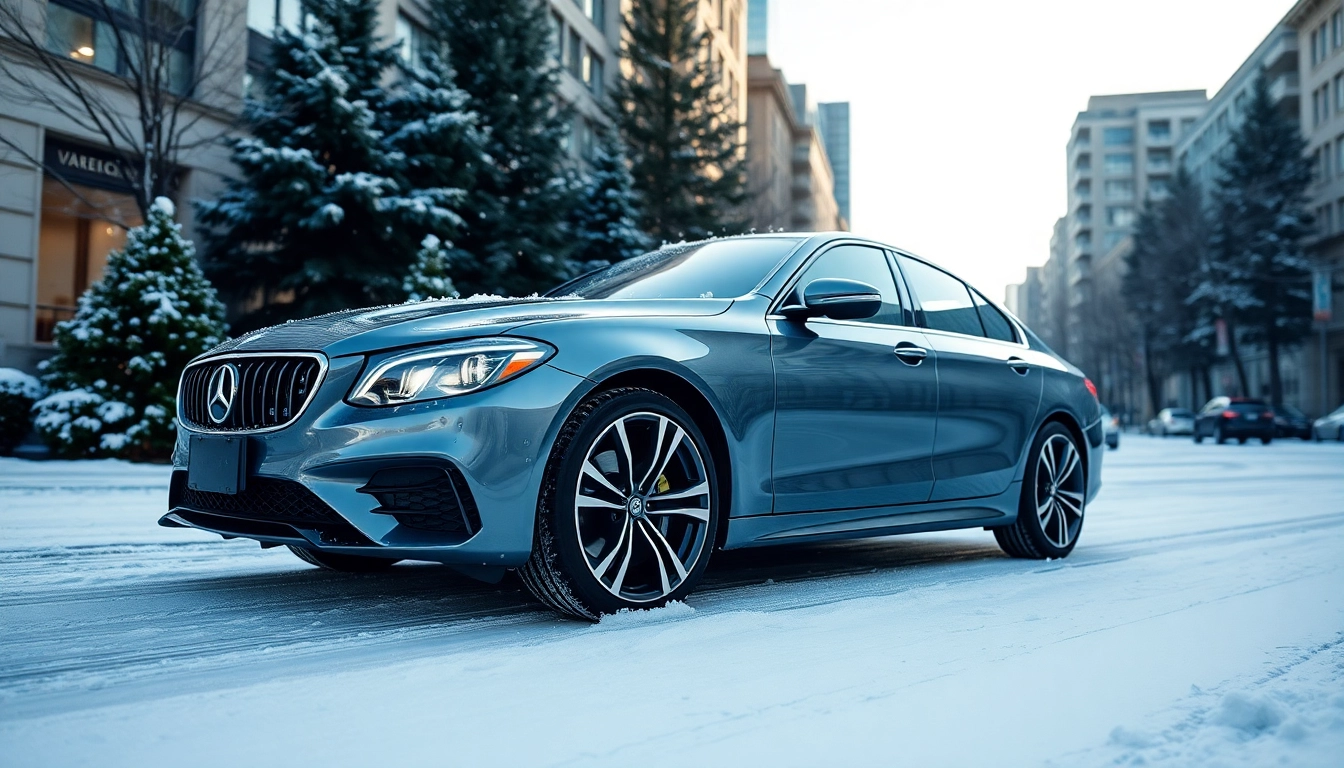
Understanding PPF Winter Road Salt Protection
What is PPF?
Paint Protection Film (PPF) is a specialized, durable material designed to shield your vehicle’s paintwork from various environmental hazards. Made from a flexible, transparent urethane material, PPF offers a robust barrier against scratches, dings, and contaminants, including road salt which is particularly damaging during winter months. By acting as a sacrificial layer, PPF helps maintain the aesthetic appeal and integrity of your vehicle.
How Does PPF Protect Against Winter Elements?
During winter, vehicles face a barrage of harsh elements, particularly road salt that is commonly used for de-icing. When salt comes in contact with the vehicle’s surface, it can lead to corrosion and paints’ deterioration. PPF acts as a barrier, preventing the salt from directly contacting the paint. The film’s self-healing properties allow minor scratches and swirl marks to disappear over time when exposed to heat, further enhancing its protective capabilities.
The Importance of Salt Protection During Winter
Salt is instrumental in keeping roads safe during icy conditions but poses a significant risk to vehicles. When salt accumulates on surfaces, it can cause rust and severe damage, especially to unprotected paint jobs. Investing in PPF for PPF winter road salt protection not only preserves the vehicle’s finish but also prolongs its lifespan, making it a vital consideration for car owners in winter-prone areas.
Benefits of Using PPF in Winter
Long-lasting Vehicle Appearance
Applying PPF ensures that your vehicle maintains its like-new appearance for an extended period. The film is designed to resist discoloration, haze, and yellowing from UV exposure, making it perfect for winter conditions that typically degrade vehicle aesthetics. As a result, PPF not only protects from scratches and chips but also keeps the vehicle looking fresh throughout the winter months.
Reduced Maintenance Costs
By protecting your car’s paint with PPF, you reduce the need for frequent detailing and paint correction services. Fewer chips and scratches mean lower maintenance bills, as PPF effectively eliminates damage that would require costly touch-ups. Additionally, a well-protected vehicle is easier to clean, further minimizing the effort and expense associated with winter washing.
Enhanced Resale Value
Vehicles that show minimal wear and tear command higher resale prices. The application of PPF can significantly improve the vehicle’s resale value by ensuring the original paint remains pristine. A well-maintained exterior is a strong selling point, providing potential buyers with peace of mind regarding the durability and condition of the car.
Choosing the Right PPF for Winter Use
Types of PPF Available
Various types of PPF are available on the market, each with unique characteristics designed for specific needs. Options range from standard films, which provide general protection, to self-healing films that can recover from minor scratches. Matte finishes are also available for those seeking a non-glossy appearance. Choosing the right type will depend on personal preference, vehicle type, and usage.
Factors to Consider When Selecting PPF
When selecting PPF, consider factors such as thickness, durability, and warranty. Thicker films tend to provide better protection but may be more costly. Additionally, check for UV resistance properties, as winter sun can cause damage through prolonged exposure. A robust warranty can also provide peace of mind regarding durability and protection against peeling or yellowing.
Professional Installation vs. DIY
While DIY installation of PPF is possible, professional application is highly recommended for optimal results. Experienced installers can ensure precise application, reducing the chance of air bubbles or alignment issues. Properly installed films perform better and may have longer lifespans, making professional services worth the investment for those serious about vehicle protection.
Common Challenges with PPF and Solutions
Dealing with Winter Wear and Tear
Despite its protective qualities, PPF is not impervious to winter’s harsh conditions. Common challenges include ice accumulation and dirt trapped beneath the film. Regular inspections can help catch any issues early, while a gentle wash with appropriate products will help maintain the film’s integrity. Avoiding abrasive cleaning methods is crucial to avoiding additional wear.
How to Maintain PPF in Harsh Conditions
Maintaining PPF in winter requires specific care practices. It’s advisable to wash your vehicle frequently to remove road salt and dirt buildup. When washing, use pH-neutral soaps and soft sponges to prevent damage to the film. Applying a sealant designed for PPF can add an extra layer of protection against grime, improving the film’s clarity and longevity.
Recognizing Signs of PPF Damage
Regularly inspecting the PPF for signs of damage is essential. Look for discoloration, peeling, or bubbling, which indicate that the film may need to be repaired or replaced. Early recognition of these signs can prevent further damage to the vehicle’s paint. If issues arise, consult a professional for recommended actions to restore the film’s integrity.
FAQs About PPF Winter Road Salt Protection
How does PPF help in winter?
PPF provides a protective barrier against road salt and other harsh elements, preventing scratches and corrosion to the vehicle’s surface during winter.
Can PPF be applied after winter season?
Yes, PPF can be applied after the winter season. It’s beneficial to do so as soon as possible to protect the paint from ongoing environmental damage.
Is professional installation necessary for PPF?
Professional installation is recommended for PPF to ensure proper application, maximizing protection and performance, and reducing the risk of application errors.
How should PPF be maintained during winter?
Maintain PPF by frequently washing the vehicle with pH-neutral soaps, avoiding abrasive tools, and applying sealants designed for PPF when necessary.
What are the costs associated with PPF application?
The costs for PPF application can vary based on vehicle size, film quality, and installation service fees, typically ranging from several hundred to a few thousand dollars.